
Sustainable Farming Practices at Silverwolf Farm

Farming is an integral part of our lives and our animal friends' lives here at Silverwolf Farm. It is a tradition that empowers us to embrace practices that honor the earth and the generations of farmers who came before us. It encourages us to respect and cherish this way of life by implementing sustainable farming methods.
Embracing Sustainable Farming Practices
Sustainable farming is all about understanding and respecting the environment. For example, we practice composting by recycling farm and animal waste into nutrient-rich compost to sell to customers. This not only enriches the soil but also reduces landfill waste.
Integrating Animal Husbandry with Sustainable Farming
At Silverwolf Farm, we have rabbits, chickens, and sheep. The animals contribute to the farm in several ways. Rabbit droppings are collected for composting and used as a natural fertilizer.

Chickens are an additional tool in our toolbox. They help control pest populations by eating insects and scratching the earth, which in turn helps to aerate the soil. Another “side effect” is that they give us eggs that we can sell to our customers or use for ourselves.

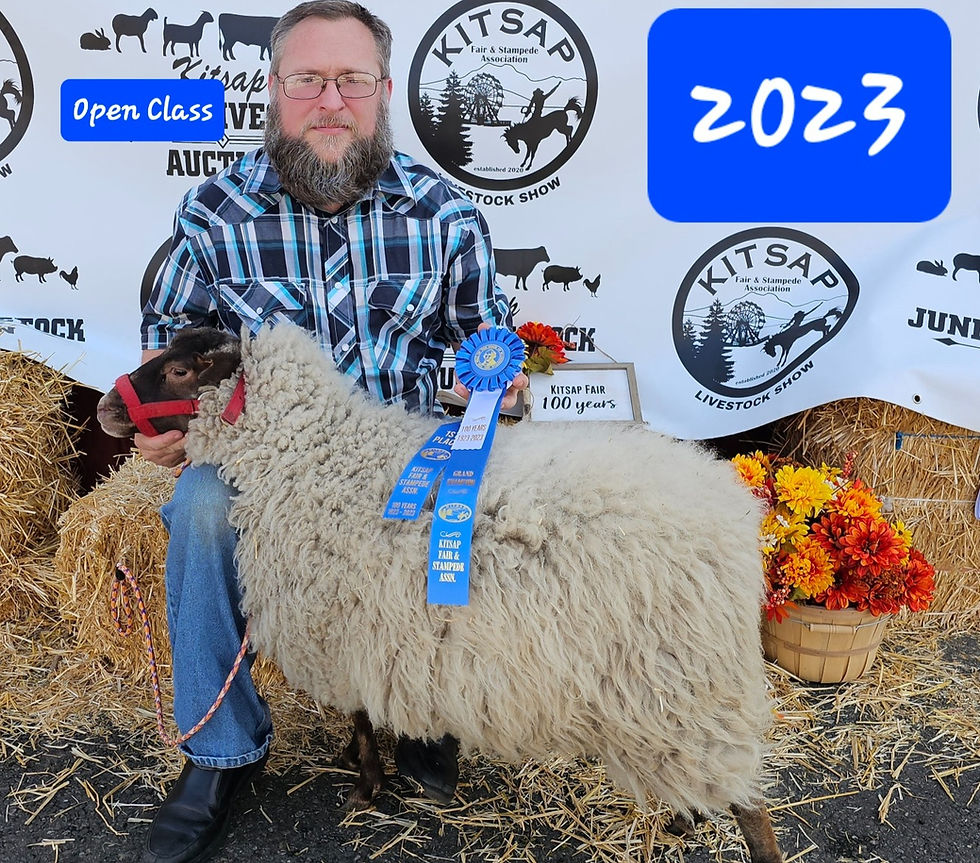
Shetland Sheep
This small, hardy heritage breed is perfect for a family homestead or small farm. Originating from the Shetland Islands, these sheep offer a unique fleece highly sought after by hand spinners and weavers because of its soft feel and variety of natural colors.
Preserving Traditional Crafts and Skills
Sustainable agriculture is interconnected with the preservation of traditional craftsmanship and rural skills, which are equally important for living harmoniously with nature. At Silverwolf Farm, we engage in activities that perpetuate these skills.
We offer courses for people who want to learn these techniques alongside other sustainable farming practices. It is a way to build a community of people who value craftsmanship and independence.
Practical Tips for Sustainable Farming at Home
If you’re inspired to bring sustainable farming practices into your own garden or small farm, here are some practical tips we recommend:
Start with Soil Health - Test your soil and add organic matter like compost or aged manure to improve fertility.
Practice Crop Rotation - Change the location of your crops each season to prevent pests and nutrient depletion.
Use Mulch - Mulching helps retain moisture, suppress weeds, and regulate soil temperature.
Collect Rainwater - Set up rain barrels to capture water for irrigation, reducing reliance on municipal water.
Incorporate Animals - Even a few chickens or rabbits can help with pest control and provide natural fertilizer.
Avoid Chemicals - Use natural pest control methods such as companion planting and beneficial insects.
Save Seeds - Preserve heirloom seeds to maintain plant diversity and resilience.
By adopting these steps, you can create a more sustainable and rewarding farming or gardening experience.
Building a Sustainable Future Together
Our journey at Silverwolf Farm is ongoing, and we are always learning and adapting. Sustainable farming is not just a set of techniques but a mindset that values patience, respect, and care for the land and its creatures. We invite you to explore these methods with us and become part of a community that honors traditional rural skills while embracing modern sustainability.
If you want to learn more or visit us, you can find detailed information about our farm and offerings at Silverwolf Farm in Shelton, WA. Together, we can cultivate a future where farming nourishes both people and the planet.
Thank you for joining us on this journey toward sustainable living and traditional craftsmanship. We look forward to sharing more stories and tips with you soon.


Comments